Sell Mineral Rights in Butler County, PA
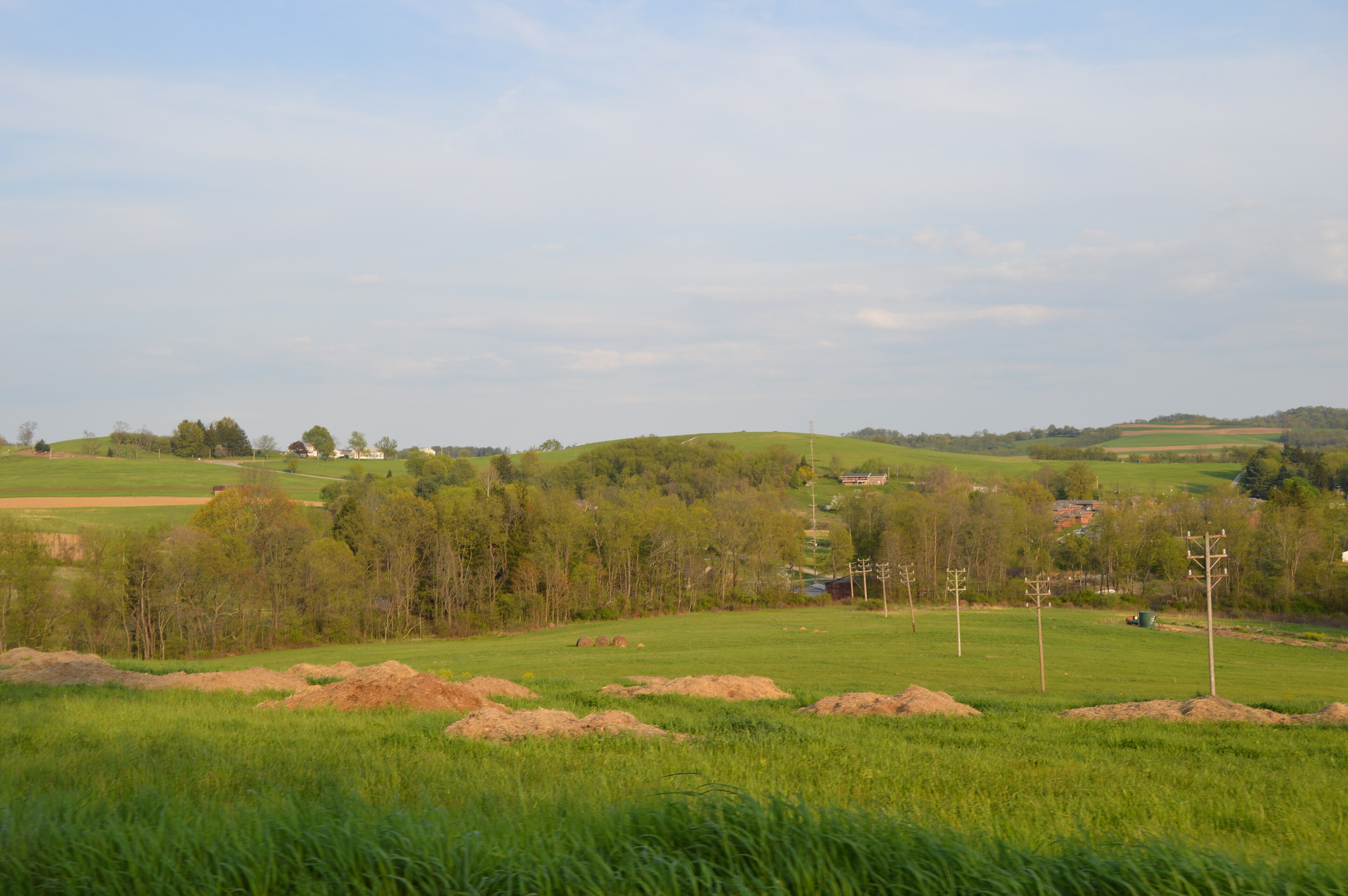
Regional Pennsylvania view: Arnold City, Pennsylvania.
Butler County has been producing oil and gas since the 1870s, longer than almost anywhere else in the country, and that long history is exactly why so many families here hold mineral rights they've never had properly explained.
Butler is where Pennsylvania's oil story runs the deepest, not literally, since most of the county's original wells were shallow by today's standards, but historically. In the decades after the Drake Well came in near Titusville in 1859, the boom spread across the region, and Butler County became one of the state's major producing areas, with small fields, company towns, and thousands of shallow wells drilled across family farms. Some of those legacy wells are still marginally producing today, still generating a small royalty for descendants of the families who signed the original leases more than a century ago.
More recently, Marcellus development has reached significant parts of the county, adding a modern, deeper layer of leasing and production on top of that older conventional history. For a lot of Butler County families, that means untangling two very different eras of oil and gas paperwork before anyone can say with confidence what a mineral interest here is actually worth.
We've sold our own family's minerals before, and we know how disorienting it is to hold a deed that references formations, leases, and companies from different decades all at once. That's the exact confusion we specialize in clearing up before we ever put a number in front of you.
From the county seat to the townships: where drilling happened
Butler, the county seat, anchors a county where legacy conventional oil and gas activity spread widely across the surrounding townships during the boom years of the late nineteenth and early twentieth centuries. Towns and small communities across the county, including places like Bruin, named directly for one of the era's oil fields, and Callery, carry that history in their local deed records.
Marcellus and, in places, deeper Utica development has since reached parts of Butler County as well, though less intensively than the core counties further southwest like Washington and Greene. A given family tract may hold rights to both the shallow legacy formations and the deeper unconventional zones, potentially under entirely separate leases negotiated decades apart.
Coal severances and layered ownership
Like much of southwestern Pennsylvania, Butler County land was often subject to coal severances that split the coal seam away from the rest of the mineral estate, sometimes leaving the oil and gas rights fully intact with the original family even when the surface and coal changed hands. Confirming exactly what survived a given coal-era transaction requires tracing the specific deed language, not assuming a standard outcome applies to every tract.
The post-production deduction fight, statewide and here
Whether your Butler County interest is tied to a legacy conventional well or a modern Marcellus unit, Pennsylvania's Kilmer v. Elexco decision permits operators to deduct post-production costs, gathering, compression, processing, transportation, from your royalty before it's paid, even when your lease describes gross proceeds. It's one of the most consistent sources of frustration we hear from owners across this state, and Butler County is no exception.
The Guaranteed Minimum Royalty Act sets a legal floor of one-eighth of gross value as your royalty share under Pennsylvania law, a protection worth knowing about, though it doesn't prevent post-production deductions from reducing the net amount you actually receive.
Act 13 impact fees in Butler County
Unconventional wells drilled in Butler County generate Act 13 impact fee revenue, distributed to the county and its municipalities to help fund road maintenance, emergency services, and environmental programs affected by drilling activity. That fee is paid directly by the operator to the state and doesn't come out of your royalty, though it's often the first thing owners ask about once they understand how the deduction system on their own check works differently.
What clean title looks like in this county
Before any sale can close, your chain of title has to be traceable through the Butler County Recorder of Deeds back to a clean point of origin, whether that's a modern Marcellus lease or a shallow well drilled by your great-great-grandfather's generation. We do that title work ourselves, checking for old severances, unreleased leases, and any estate gaps that need to be resolved.
Deciding whether to sell
Some Butler County owners hold a legacy interest generating a small but steady check from a well that's been producing for a century; others hold a newer Marcellus interest still working through its decline curve. Whichever situation applies to you, we'll explain what drives your specific royalty and let you decide, with no pressure, whether converting it into a lump sum makes more sense than continuing to hold.
Resolve the Statement Question Before Comparing the Number
Each answer points back to a Pennsylvania deed, lease clause, unit record, paid decimal, production month, deduction line, or written term that can be checked.
Yes. Commercial oil production in this part of Pennsylvania dates back to the 1870s and 1880s, roughly 130 years before Marcellus horizontal drilling arrived in the county.
Some are still marginally producing and generate a small royalty. We check the actual production status of any well tied to your interest before evaluating.
It sets a legal floor of one-eighth of gross value as your royalty rate under Pennsylvania law, though it doesn't prevent post-production deductions from reducing your net check.
No, they're entirely separate systems. The impact fee funds county and municipal programs; your royalty deductions are calculated independently under your specific lease.
Any deed, lease, or recent royalty statement you have. If you're missing documents, we can typically locate what's needed through the Butler County Recorder of Deeds.
Carry the Same Statement Into the Next Review
The same tract, lease clause, unit participation, paid decimal, production month, and deduction question carry into each of these records.
Sell Mineral Rights in Westmoreland County, PA
Own minerals in Westmoreland County, PA? We buy Marcellus interests directly from Greensburg to the river towns, with a real title review first.
Sell Mineral Rights in Fayette County, PA
Fayette County mineral owner? We buy Marcellus, Utica, and legacy gas interests around Uniontown, Connellsville, and the Route 40 corridor. Talk it through, no obligation.
Sell Mineral Rights in Lycoming County, PA
Own mineral rights in Lycoming County, PA? Learn about dry-gas Marcellus values, post-production deductions, Act 13 fees, and how a fair sale works.
Put This Pennsylvania Interest on the Statement Review
Share the Pennsylvania county, interest type, producing status, operator if known, recent statement detail, and the decision that needs a clearer answer.