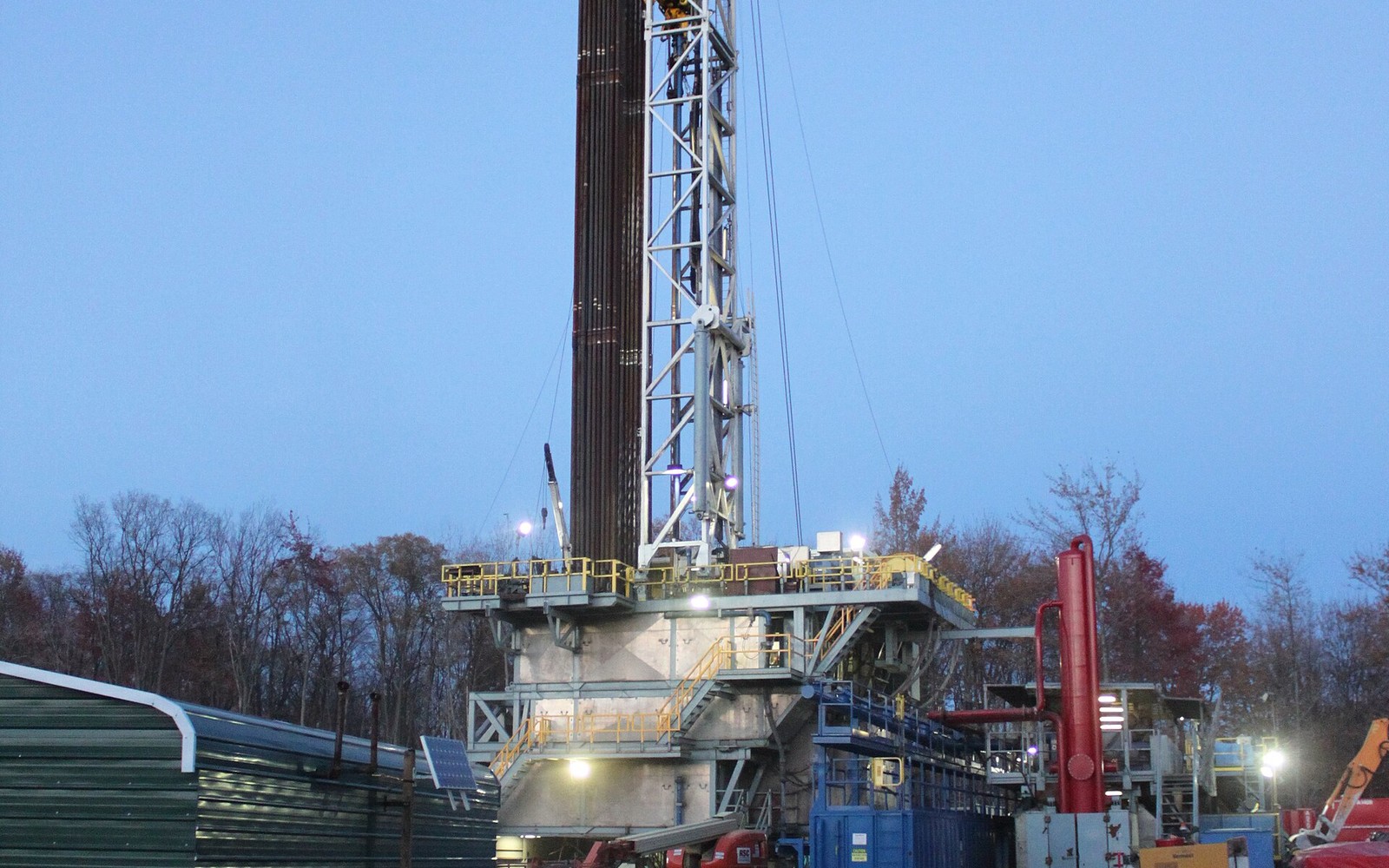
Working Interests
A working interest pays more than a royalty, but it also sends you a bill when the well needs work, and that second part is the piece a lot of owners underestimate.
Working interests are less common among the everyday family mineral owners we typically talk to, but they show up more than you'd expect in Pennsylvania, especially tied to older, legacy wells in the northwestern part of the state where small independent operators and even individual investors historically took on working interest positions in shallow oil and gas wells going back generations. Unlike a royalty interest, which is free of operating costs by definition, a working interest owner shares in both the revenue and the actual costs of drilling, completing, and operating the well.
That distinction matters enormously. A royalty check is simple - production revenue times your fraction, minus whatever post-production deductions your lease allows. A working interest is your share of revenue minus your share of the operator's actual costs, which can include everything from routine maintenance to an unexpected workover that generates a bill instead of a check for that month.
The Liability Side Nobody Talks About Enough
Holding a working interest means you're exposed to joint operating agreement obligations - if the well needs a costly repair, a new pump, or plugging at the end of its life, your share of that cost is your responsibility regardless of whether you want to pay it. Pennsylvania also has plugging requirements for wells once they stop producing, and a working interest owner can carry exposure to those obligations depending on how the specific well and operating agreement are structured. This is a meaningfully different risk profile than a royalty interest, where the worst outcome is simply a smaller check.
This is especially relevant for legacy working interests in older Upper Devonian and shallow oil wells in counties like Venango, Warren, and McKean, some of which have been producing in small amounts since well before the shale era. Many of these older wells are nearing or past the point where plugging becomes a real, foreseeable cost rather than a distant hypothetical.
Why We See Working Interests Concentrated in Legacy Wells
Northwestern Pennsylvania is where American oil drilling started, and a lot of the shallow, low-volume wells drilled in that region over the past century still have small working interest owners attached to them - individuals or families who bought into an operating agreement decades ago, sometimes as an investment, sometimes inherited from a relative who did. These wells produce modestly, a few barrels a day or less in many cases, and the working interest share reflects that modest scale, but the cost exposure doesn't scale down the same way small revenue does.
If you've inherited a working interest like this and have been getting occasional joint interest billing statements you don't fully understand, that's a common situation, and it's worth having someone look at the actual operating agreement to understand what obligations come with it.
Valuing a Working Interest Correctly
Because a working interest carries cost exposure, it has to be valued net of that exposure, not only off gross revenue the way a royalty would be. We look at the well's production and cost history together, the operating agreement's specific terms, and realistically how much longer the well is likely to produce before plugging becomes the dominant cost consideration. A working interest in a well nearing the end of its economic life can actually carry negative expected value once plugging liability is weighed in, which is important to understand honestly rather than assuming any working interest is automatically an asset worth something.
We'll tell you plainly if that's the situation with a specific interest, because walking someone into a sale that doesn't actually solve their liability exposure isn't something we're willing to do.
Selling a Working Interest and What It Resolves
Selling transfers both the revenue share and the cost and liability exposure to the buyer, which for a lot of working interest owners is the real appeal - not only the cash from the sale, but no longer being on the hook for joint interest billings, workover costs, or eventual plugging obligations tied to a well you may have never even seen in person.
Resolve the Statement Question Before Comparing the Number
Each answer points back to a Pennsylvania deed, lease clause, unit record, paid decimal, production month, deduction line, or written term that can be checked.
A royalty interest receives revenue free of operating costs. A working interest receives revenue but also shares in the actual costs of drilling, operating, and eventually plugging the well, which can mean bills instead of checks in some periods.
Potentially, depending on how your specific operating agreement is structured and the well's status. This is a real risk worth understanding clearly, particularly for older legacy wells nearing the end of their productive life.
That's typical of a working interest position - you're periodically billed your proportional share of operating costs under the joint operating agreement, separate from and sometimes exceeding your share of revenue in a given period.
It depends on the specific well's production, remaining life, and cost structure. Some older, low-volume interests carry limited or even negative expected value once plugging liability is factored in, and we'll tell you honestly if that's the case.
Yes, a sale transfers both the revenue rights and the associated cost and liability exposure to the buyer, which resolves your ongoing obligation under the operating agreement.
Carry the Same Statement Into the Next Review
The same tract, lease clause, unit participation, paid decimal, production month, and deduction question carry into each of these records.
Surface vs. Mineral Estate
Confused whether you own the surface, the minerals, or both on your Pennsylvania land? We explain the split estate and buy mineral rights either way.
Mineral Rights
Own Pennsylvania mineral rights and unsure exactly what that means? We explain ownership, leasing, and royalty basics, then give a straightforward offer.
Royalty Interests
Own a royalty interest tied to a producing Marcellus or Utica well in Pennsylvania? We evaluate your statement history and give a straightforward offer.
Put This Pennsylvania Interest on the Statement Review
Share the Pennsylvania county, interest type, producing status, operator if known, recent statement detail, and the decision that needs a clearer answer.