Sell Mineral Rights in Westmoreland County, PA
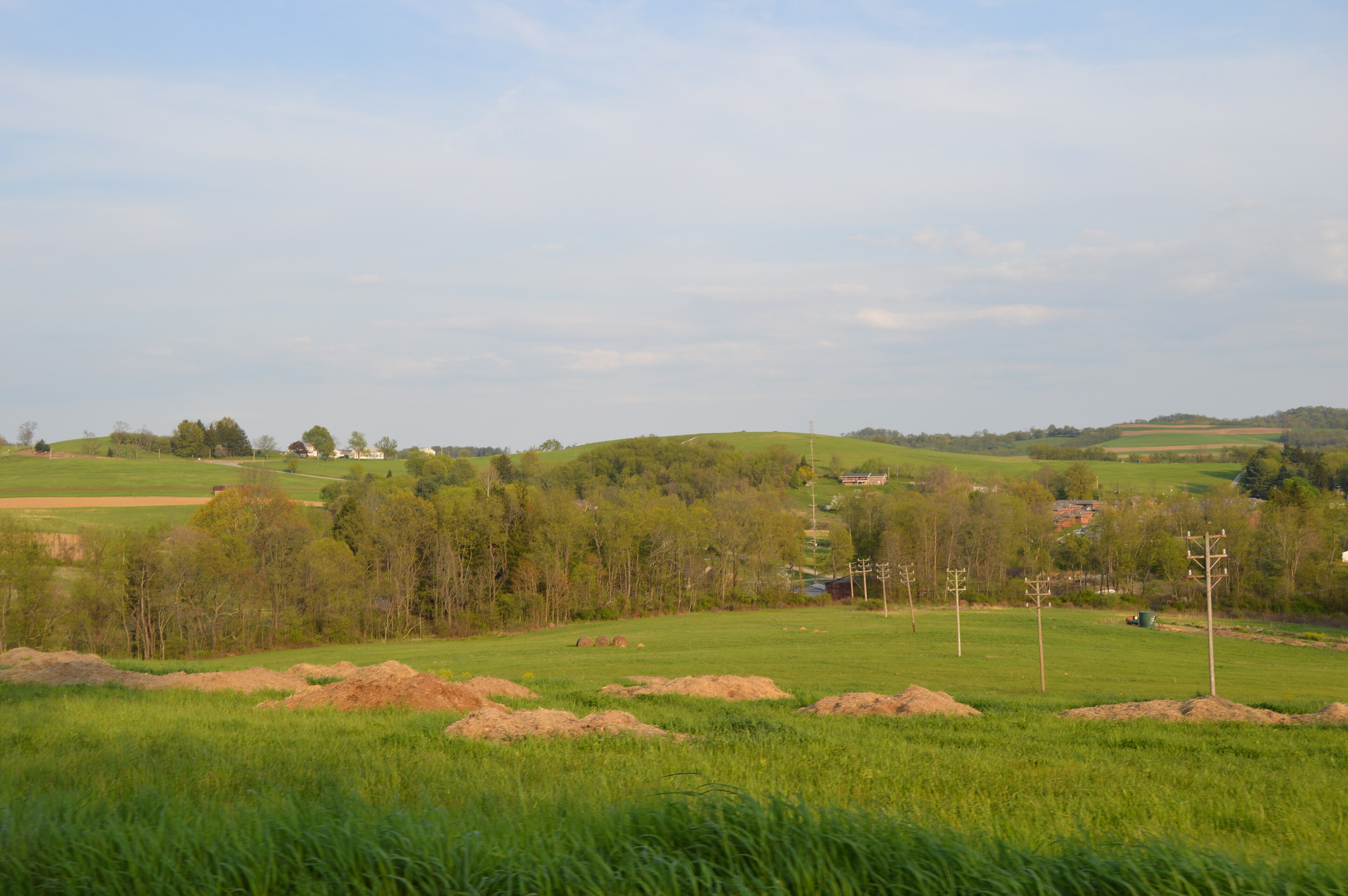
Regional Pennsylvania view: Arnold City, Pennsylvania.
Westmoreland County stretches from the Pittsburgh suburbs to the Laurel Highlands, and underneath a good part of it runs Marcellus shale that's been leased and drilled for close to two decades now.
Our family didn't sell minerals in Westmoreland County, our story runs through a different part of the state, but we've sat with enough families here to know the shape of it by heart. A farm gets leased sometime in the 2000s. A well gets drilled a few years later, sometimes on a shared multi-well pad with neighbors' tracts pooled in. Royalty checks start arriving, strong at first, then smaller, and smaller again, year after year, without anyone from the company ever explaining exactly why.
That's the gap we exist to close. We buy mineral and royalty interests directly from owners across Westmoreland County, and before we ever talk numbers, we make sure you understand what you actually own and what's actually being deducted from what you're paid.
Coal Country First, Then Gas Country
Westmoreland County has one of the longest mineral extraction histories in Pennsylvania, going back to coal mining in the 1800s, long before anyone talked about the Marcellus. That layered history means a lot of tracts here had their coal rights severed from the surface generations before oil and gas leasing ever started, and sometimes the oil and gas rights were severed separately as well.
The result is that a single piece of Westmoreland County land can have three or four different owners across surface, coal, and oil and gas, each with their own deed history. Before we make an offer on any interest here, we confirm exactly which estate you hold and trace it back through the recorder of deeds in Greensburg, because getting that wrong helps nobody and can genuinely delay or derail a closing.
Where the County Sits in the Marcellus Play
Westmoreland's Marcellus activity has generally been steadier and less explosive than the wet-gas core counties further southwest, like Washington and Greene. Its southern and western portions, closer to that fairway, tend to see richer liquids content and stronger historical leasing activity, while the northern half has seen more moderate development tied into shared multi-well pads.
Operators including CNX and EQT have both been active in the county over the years, developing units that pool multiple family tracts together. What that means practically is that two neighboring properties can have very different production histories depending on which unit and which pad they're tied to, so we always evaluate the specific unit behind your interest rather than assuming a county-wide number applies to you.
The Deduction Problem Playing Out on Westmoreland Statements
Pennsylvania's Guaranteed Minimum Royalty Act requires a lease to pay at least one-eighth net, and the Kilmer v. Elexco decision confirmed operators can deduct reasonable post-production costs, gathering, compression, dehydration, marketing, before calculating that net figure. Those two rules together mean a check can shrink year over year even while production stays relatively steady, as long as it stays above the statutory floor.
We've read enough of these statements across the county to recognize the pattern immediately: strong first-year payments, then a slow, steady erosion that looks confusing until someone actually walks you through where each deduction line is coming from. If your Westmoreland County royalty checks have been sliding and nobody's explained why, that's usually the answer, not a production problem, a deduction problem written right into the lease you signed years ago.
Act 13 Impact Fees Fund the County, Not Your Check
Westmoreland County collects Act 13 impact fee revenue on unconventional wells drilled here, money that goes toward road repair, emergency services, and environmental programs at the county and municipal level. It's a meaningful source of local funding, but it's entirely separate from your royalty and doesn't flow to individual mineral owners.
We mention this because it comes up often enough in conversations with owners who assume some portion of that county revenue is somehow tied to their personal payments. It isn't, and understanding that distinction helps clarify what actually drives the value of your interest: your lease terms and your unit's production, not county-level fee programs.
Handling Heirs, Fractional Interests, and Old Deeds
A large share of the mineral interests we review in Westmoreland County were never purchased outright by the current owner, they were inherited, often split among several siblings or cousins after a parent or grandparent passed. That kind of fractional ownership is common across the county's older farm and coal-town families, and it doesn't need to be a barrier to selling.
We can work with individual heirs directly, buying just your share without requiring every co-owner to participate, or coordinate a single closing that pays each family member according to their confirmed interest. Either way, we do the courthouse work to confirm exactly what each person owns before any paperwork gets signed.
Resolve the Statement Question Before Comparing the Number
Each answer points back to a Pennsylvania deed, lease clause, unit record, paid decimal, production month, deduction line, or written term that can be checked.
The southern and western portions of the county, closer to the Washington and Fayette county lines, tend to sit nearer the wet gas fairway and have seen stronger historical leasing and drilling activity than the northern half.
Your deed and any historical severance documents will specify which estate you hold. We trace this through the Westmoreland County recorder of deeds as part of every review, at no cost to you.
Pennsylvania law generally allows operators to deduct reasonable post-production costs, gathering, compression, marketing, as long as your payment stays above the one-eighth net floor. That deduction language is often the reason for a declining check, not a change in the well itself.
No. Impact fee revenue funds county and municipal infrastructure and services. It's separate from the royalty paid under your individual lease.
Yes. We regularly buy individual heir shares or coordinate a single closing that pays multiple family members according to their confirmed interests.
A copy of your lease and any recent royalty statements are the most useful starting point. If you don't have them, we can often locate the relevant records ourselves through county sources.
None. We give you a number and an honest explanation of how we got there. What you do with that information is entirely your decision.
Carry the Same Statement Into the Next Review
The same tract, lease clause, unit participation, paid decimal, production month, and deduction question carry into each of these records.
Sell Mineral Rights in Fayette County, PA
Fayette County mineral owner? We buy Marcellus, Utica, and legacy gas interests around Uniontown, Connellsville, and the Route 40 corridor. Talk it through, no obligation.
Sell Mineral Rights in Lycoming County, PA
Own mineral rights in Lycoming County, PA? Learn about dry-gas Marcellus values, post-production deductions, Act 13 fees, and how a fair sale works.
Sell Mineral Rights in Tioga County, PA
Own dry-gas Marcellus minerals near Wellsboro or Tioga County's gas belt? We buy directly, explain deductions honestly, and close without games.
Put This Pennsylvania Interest on the Statement Review
Share the Pennsylvania county, interest type, producing status, operator if known, recent statement detail, and the decision that needs a clearer answer.