Sell Mineral Rights in Waynesburg, PA
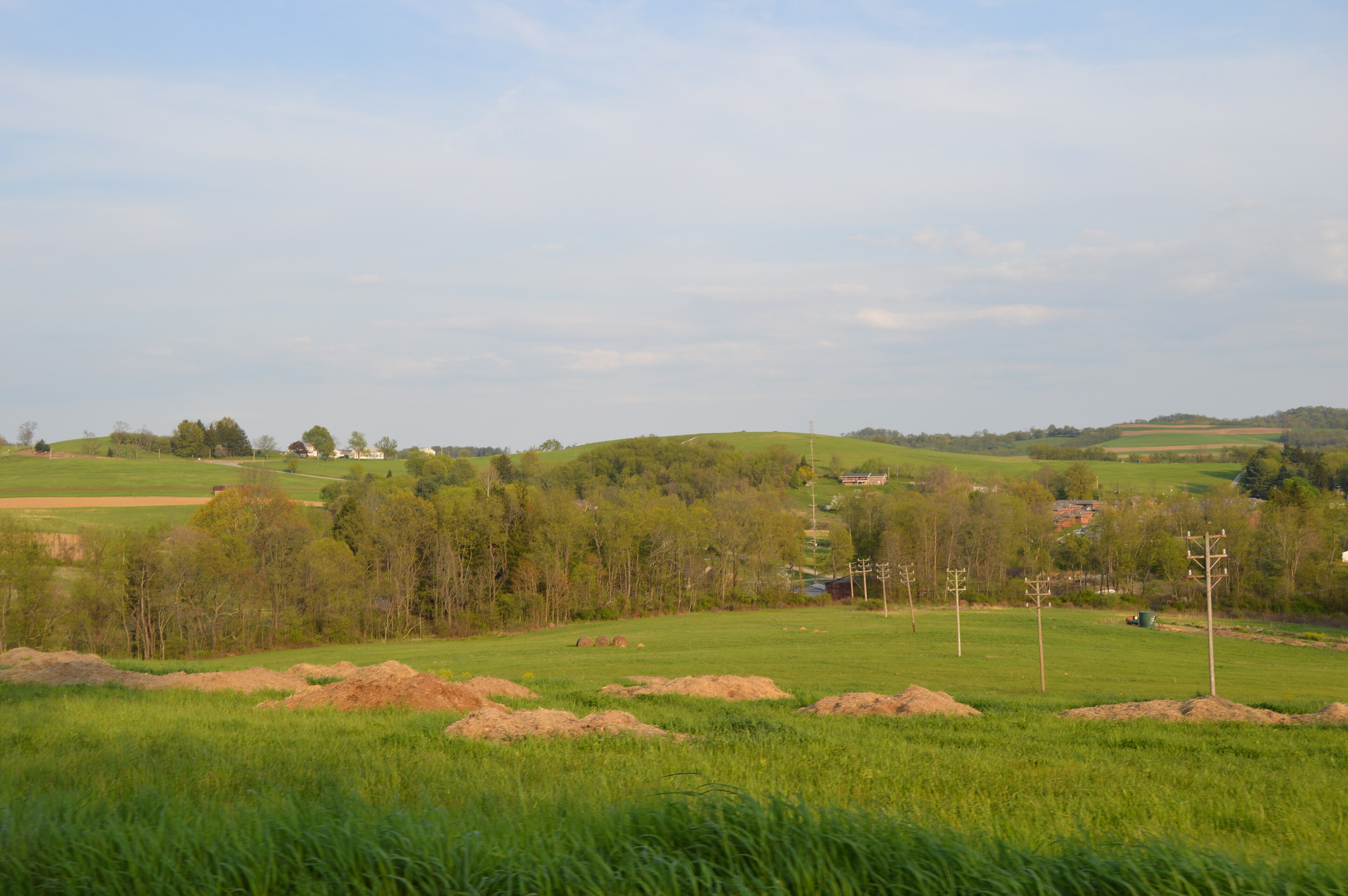
Regional Pennsylvania view: Arnold City, Pennsylvania.
Waynesburg families have lived with two different underground industries for a long time, coal that's been mined for generations and gas that showed up more recently, and untangling which rights belong to which can take real work.
Waynesburg is the Greene County seat, sitting in what many consider the deepest, wettest part of the entire Marcellus play in Pennsylvania. Greene County's rock has consistently drawn some of the most aggressive operator interest in the Commonwealth, with CNX and EQT both maintaining substantial positions here, and the county's impact fee revenue under Act 13 reflects just how much unconventional development has concentrated in this corner of the state.
That intensity comes with a wrinkle unique to Greene County: extensive longwall coal mining runs underneath a lot of the same land where Marcellus gas is being produced, creating a split-estate situation where coal rights, gas rights, and surface rights can all belong to different owners on the very same tract.
Split Estates Between Coal and Gas
If your family owns gas rights near Waynesburg, it's worth confirming whether coal rights on the same land belong to a mining company, since longwall mining can affect surface conditions and occasionally complicates well spacing or unit boundaries. This doesn't diminish your gas rights, but understanding the full picture matters when evaluating your interest.
We see this constantly in Greene County specifically. It's less common in counties without a heavy underground coal mining history, which is part of why Waynesburg-area deeds sometimes need more careful reading than a straightforward farm tract elsewhere in the state.
Why This Is Some of the Most Active Ground in the State
Greene County's position deep in the wet-gas window has kept it among the busiest drilling counties in Pennsylvania for over a decade, and Waynesburg-area units frequently show strong, sustained production numbers. That gives us real data to work from when building an offer rather than relying on speculation.
Deductions, the Guaranteed Minimum Royalty Act, and Act 13
Pennsylvania's Guaranteed Minimum Royalty Act sets a one-eighth floor on gross value, but post-production deductions permitted under many Greene County leases, upheld broadly by Kilmer v. Elexco, can still shrink your net check well below what the reported gas price would suggest. Act 13 impact fees, meanwhile, fund county and township infrastructure directly from the operator and have no bearing on your personal royalty statement, even though Greene County collects some of the largest impact fee distributions in the state.
Anchor the Tract to the County Record
A Pennsylvania location guide should lead back to a real tract record. The working file identifies the county, municipality, legal description, acreage, mineral reservation, estate type, owner fraction, and the deed, probate record, or trust instrument supporting the present ownership claim.
Connect Local Activity to the Actual Interest
Marcellus and Utica development varies by county, formation, unit, operator, and production stage. Public wells and Act 13 reporting can add context, while the private lease, unit record, paid decimal, and statement months define the interest under review.
Keep the Local Review in Writing
A county-specific owner file should retain the source deed, lease, unit declaration, division order, statement evidence, deduction questions, written offer assumptions, retained-rights language, settlement record, and recording reference for that tract.
Resolve the Statement Question Before Comparing the Number
Each answer points back to a Pennsylvania deed, lease clause, unit record, paid decimal, production month, deduction line, or written term that can be checked.
Check your deed for a separate coal reservation, and we can help cross-reference that against known longwall mining areas. Coal and gas ownership are typically independent of each other even on the same tract.
The rock here sits deep in the wet-gas Marcellus window, which has consistently drawn strong operator interest from companies like CNX and EQT for well over a decade.
Post-production deductions for gathering, compression, and transportation are the most common reason, particularly on older leases. We review your specific lease language to explain the gap.
No. Act 13 impact fees are paid by operators to county and township government and are entirely separate from the royalty calculation on your personal division order.
Carry the Same Statement Into the Next Review
The same tract, lease clause, unit participation, paid decimal, production month, and deduction question carry into each of these records.
Sell Mineral Rights in Langeloth, PA
Langeloth, PA was built as a company town around a zinc smelter in Washington County. Learn what that history means for mineral ownership today.
Sell Mineral Rights in Athens, PA
Athens, PA mineral owners at the NY border: get a plain-English cash offer on your dry-gas Marcellus royalty, no obligation to sell.
Sell Mineral Rights in New Albany, PA
New Albany, PA in Bradford County's dry-gas Marcellus core. We buy mineral and royalty rights directly, with honest evaluation of mature well production.
Put This Pennsylvania Interest on the Statement Review
Share the Pennsylvania county, interest type, producing status, operator if known, recent statement detail, and the decision that needs a clearer answer.