Sell Mineral Rights in Allenport, PA
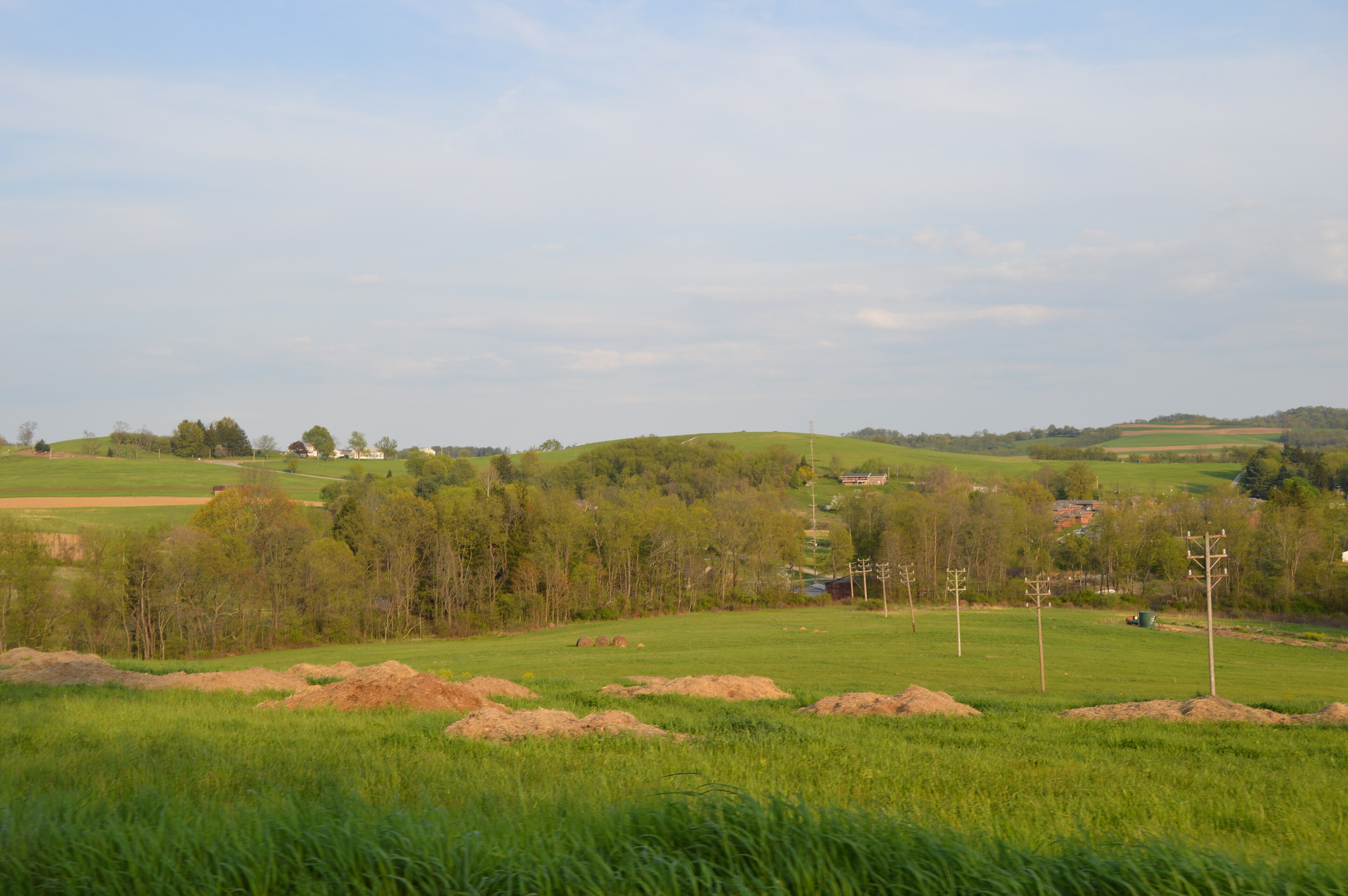
Regional Pennsylvania view: Arnold City, Pennsylvania.
Allenport grew up on the river, first around a steel mill and now around gas units drilled a mile down under the same ground.
Allenport sits right on the Monongahela in the southeast corner of Washington County, a river town that spent most of a century centered on a steel mill before that industry pulled out. A lot of the families who stayed hold small mineral tracts that trace back to farmland the mill company or a coal operator once controlled the surface of, while the family kept the minerals underneath. That split-estate history is common up and down the Mon Valley, and it means plenty of owners here don't fully know what they still hold.
We've been on the other side of exactly that kind of confusion with our own family's ground, which is part of why we do this work the way we do: plain numbers, no pressure, and a real explanation of what's under your name.
Marcellus wet gas under an old mill town
This stretch of the county sits inside the wet-gas Marcellus fairway, where the shale carries enough natural gas liquids that operators route production through processing before it's sold as residue gas and separate liquids. That processing step is exactly where post-production costs get taken out of your royalty, and it's a bigger deduction here than in the dry-gas counties up north.
Because Allenport's mineral tracts are often smaller, legacy parcels carved out of old mill or farm holdings, many owners find their interest sits in a unit alongside larger operated tracts, meaning your royalty depends entirely on a lease you may never have negotiated yourself, inherited from a parent or grandparent who signed it decades ago.
Reading a royalty statement that doesn't add up
The most common call we get from Mon Valley owners starts the same way: 'the check got smaller and the owner don't know why.' Between price swings, allocated well decline, and post-production deductions stacked on top of each other, a shrinking statement doesn't automatically mean something's wrong, but it also doesn't mean you have to keep guessing quarter after quarter. We'll look at your actual statement with you before we ever talk about a number.
What a sale actually changes
Selling your mineral interest doesn't touch the lease itself or the operator's right to produce; it just moves who receives the royalty and who carries the risk of future decline, price swings, and deduction creep. For an owner holding a small, aging interest with an unpredictable check, moving that risk off your plate for a lump sum is often the more useful outcome than waiting on quarterly payments that keep shrinking.
Anchor the Tract to the County Record
A Pennsylvania location guide should lead back to a real tract record. The working file identifies the county, municipality, legal description, acreage, mineral reservation, estate type, owner fraction, and the deed, probate record, or trust instrument supporting the present ownership claim.
Connect Local Activity to the Actual Interest
Marcellus and Utica development varies by county, formation, unit, operator, and production stage. Public wells and Act 13 reporting can add context, while the private lease, unit record, paid decimal, and statement months define the interest under review.
Keep the Local Review in Writing
A county-specific owner file should retain the source deed, lease, unit declaration, division order, statement evidence, deduction questions, written offer assumptions, retained-rights language, settlement record, and recording reference for that tract.
Resolve the Statement Question Before Comparing the Number
Each answer points back to a Pennsylvania deed, lease clause, unit record, paid decimal, production month, deduction line, or written term that can be checked.
Very possibly. Split estates were common around the old mill and coal operations in this part of Washington County. We'll check the deed history to confirm what your family actually retained.
Different tracts sit in different units with different working interests, lease terms, and deduction structures, so two neighboring owners can see very different numbers even from the same well.
Once title is confirmed clear through the Washington County Recorder of Deeds, most sales close in a few weeks. Estate or title gaps take longer to sort out first.
Carry the Same Statement Into the Next Review
The same tract, lease clause, unit participation, paid decimal, production month, and deduction question carry into each of these records.
Sell Mineral Rights in Dry Tavern, PA
Dry Tavern sits in Greene County's deep Marcellus and Utica core. We buy PA mineral and royalty interests directly from owners, cash offer, no broker fee.
Sell Mineral Rights in Chicora, PA
Chicora was a Butler County oil boomtown long before Marcellus shale. We buy legacy and modern mineral rights from PA owners directly, cash offers, no listing fees.
Sell Mineral Rights in Wyano, PA
Wyano mineral owner in Westmoreland County? We buy Marcellus interests directly, with an honest review of your lease and royalty history first.
Put This Pennsylvania Interest on the Statement Review
Share the Pennsylvania county, interest type, producing status, operator if known, recent statement detail, and the decision that needs a clearer answer.